February 3, 2026
Creating a beautiful and functional patio space begins with thorough planning and preparation. Before you dive into your patio paver project, it's crucial to ask the right questions to ensure a successful outcome. Many homeowners consult a local hardscaping company during this phase for guidance and feasibility advice. This guide will walk you through the essential considerations to help you design and implement your perfect outdoor retreat. By understanding the purpose, materials, and installation techniques, you can make informed decisions that enhance the quality and longevity of your outdoor space. This comprehensive approach ensures that your patio not only meets current needs but also adapts to future changes.
What is the Purpose of Your Patio?
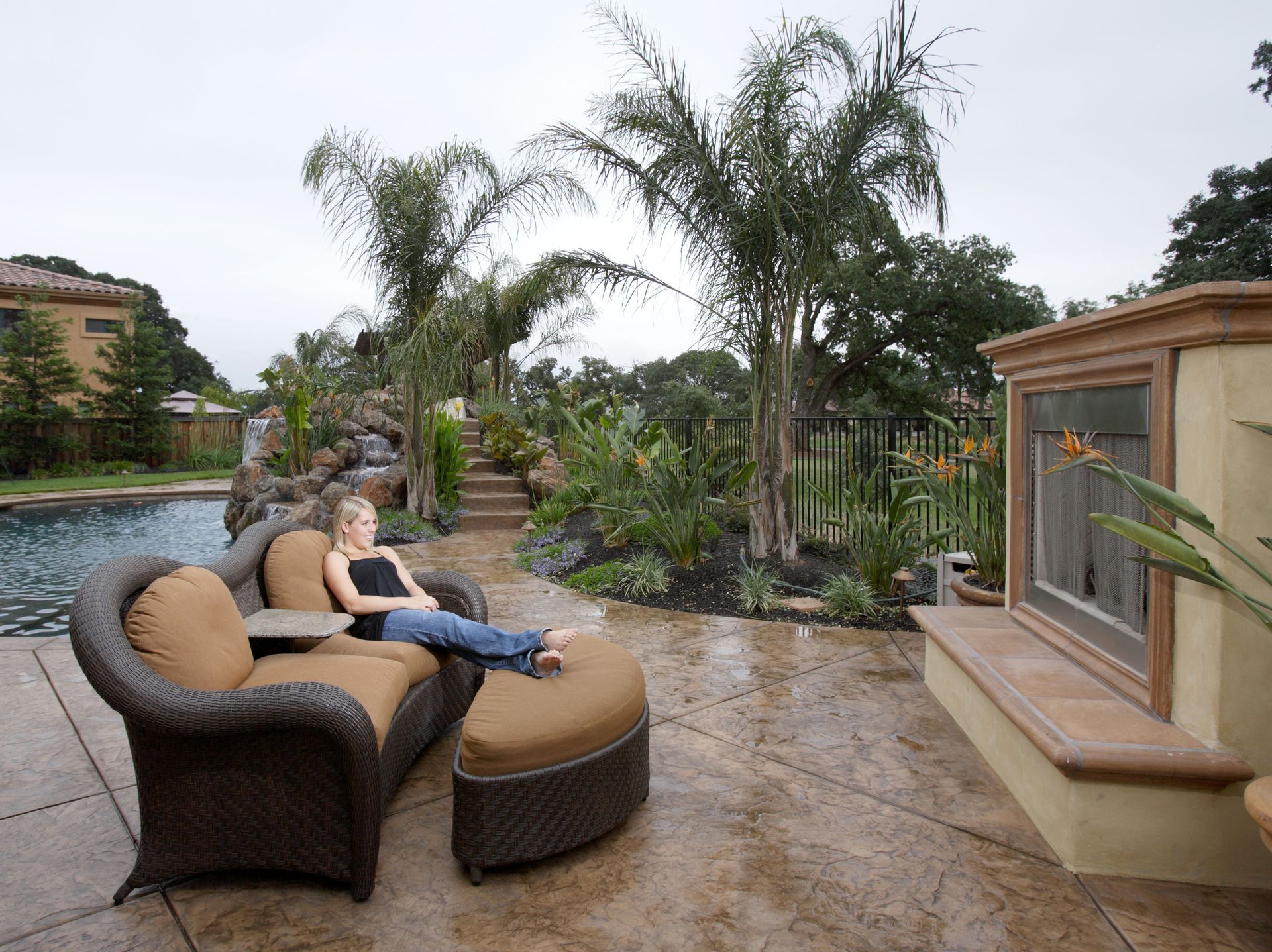
When embarking on a patio project, the first question to ponder is its intended purpose. Are you envisioning a space for lively gatherings or a tranquil sanctuary for personal relaxation? Defining the primary usage helps prioritize features and functionality. For instance, an entertaining area may need more seating and dining space, while a relaxing patio could prioritize lounging areas and privacy elements. According to NAHB, in 2024, 64% of homeowners desired multi-functional patios, highlighting the trend towards versatile outdoor living areas that can serve multiple purposes.
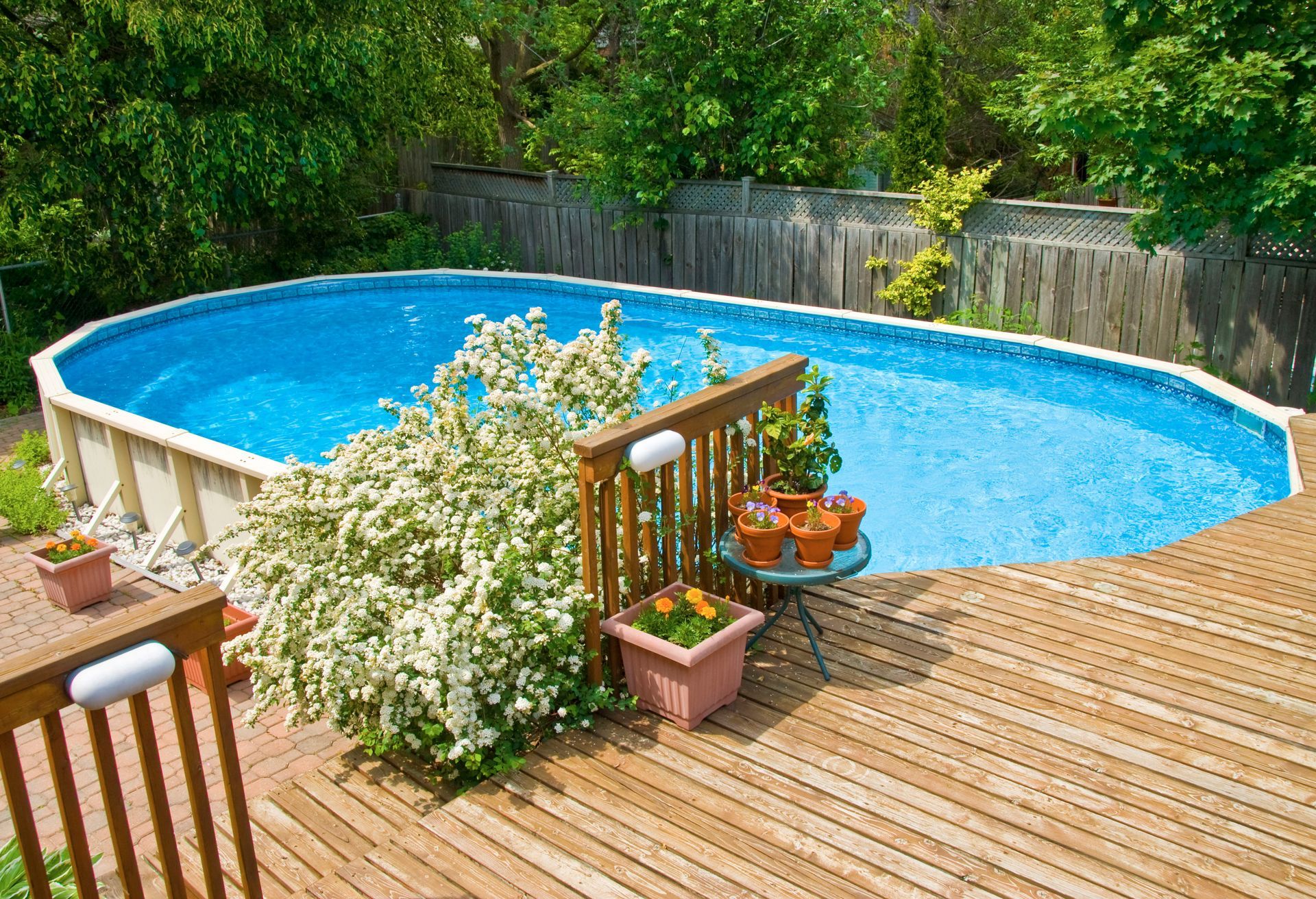
The size of your patio greatly influences its usability and comfort. Carefully measure the available space and consider how much of it you are willing to dedicate to the patio. A larger area naturally offers more versatility, but even small spaces can be optimized with smart design choices. A local hardscaping company can help determine the best layout for your specific property dimensions. Ensure that the size reflects your usage needs; for example, larger gatherings require more square footage. Remember that the patio should remain proportionate to the overall size of your yard to maintain balance and aesthetics.
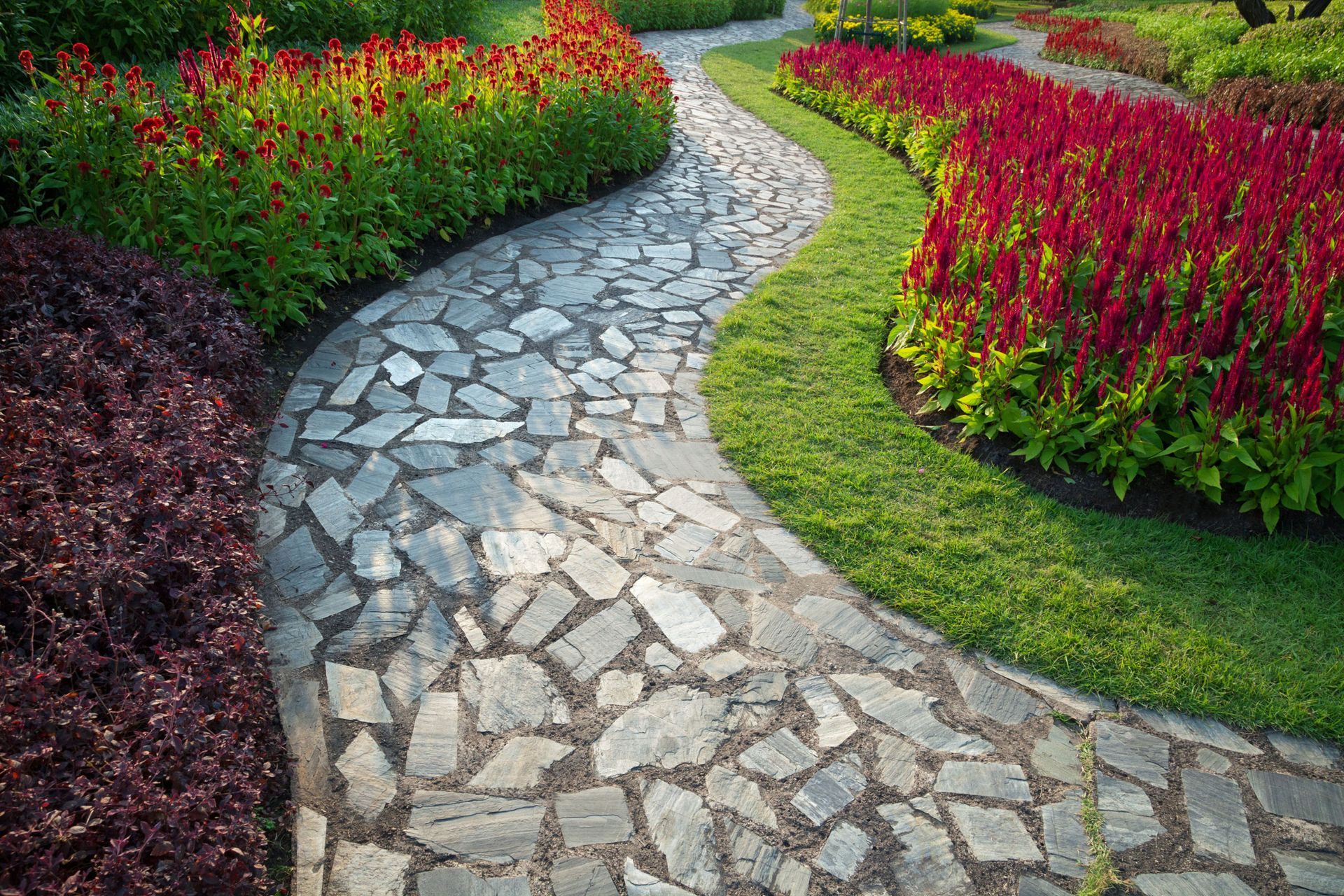
Design aesthetics play a pivotal role in how your patio integrates with your home and landscape. Consider architectural elements and landscaping styles to choose a cohesive design. Whether your taste leans toward modern minimalism, rustic charm, or classic elegance, the patio should reflect your personal style. The choice of colors, textures, and patterns can connect the indoor and outdoor spaces, creating a seamless flow. Moreover, a thoughtfully designed patio enhances curb appeal and can increase property value.
What Kind of Materials Should You Use?
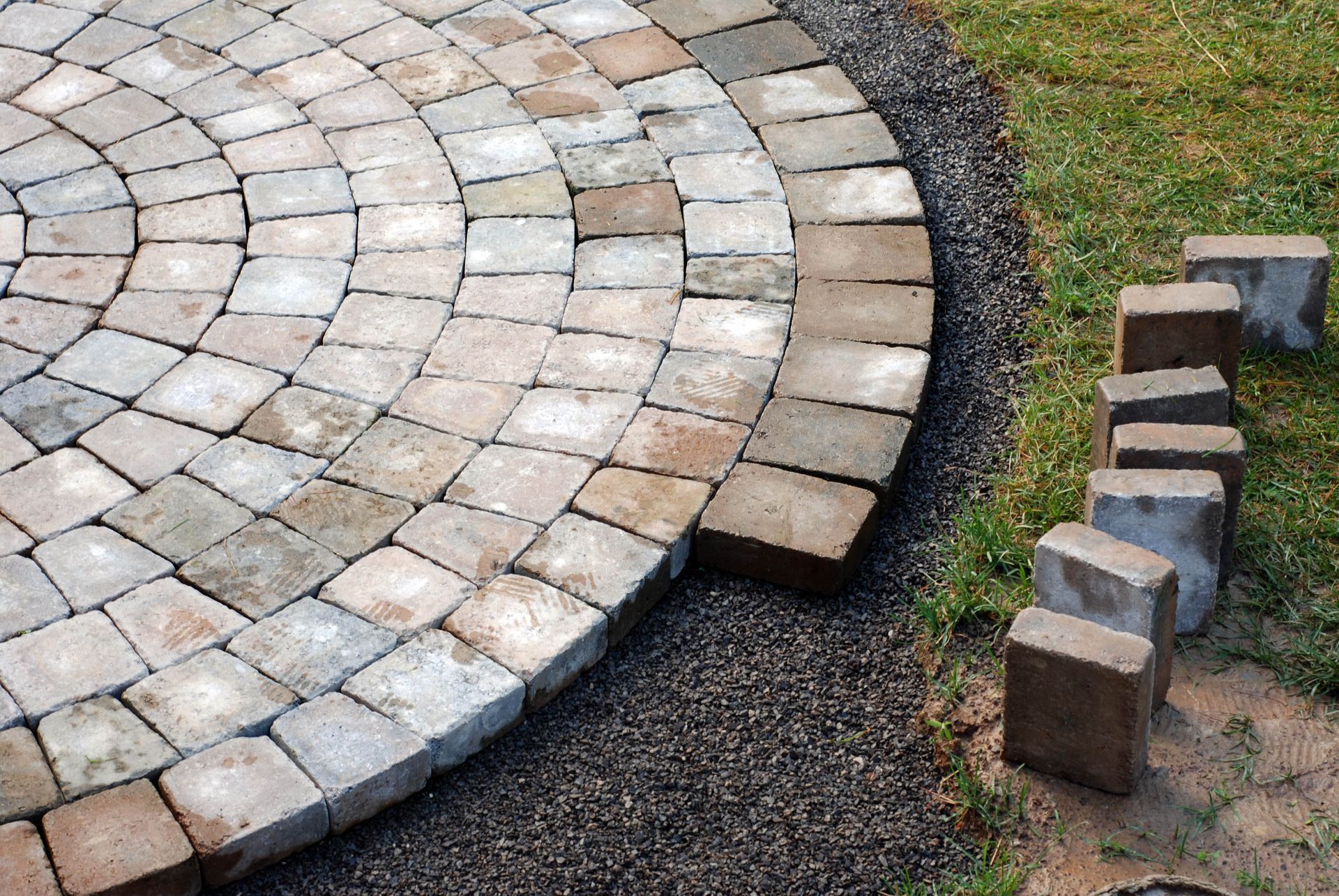
Material selection is crucial in defining the look, feel, and durability of your patio. Options range from natural stone and brick to durable concrete and versatile pavers. Each material brings unique aesthetic and practical qualities, such as stone offering a classic, timeless appeal, while concrete provides modern flexibility. Consulting a local hardscaping company can help you compare materials based on maintenance, lifespan, and climate compatibility. The choice of material can significantly impact the character and atmosphere of your patio space.
Durability and maintenance are key considerations when choosing patio materials to ensure longevity and ease of care. Some materials, like natural stone, offer high durability but may require periodic sealing and cleaning. Concrete can be low-maintenance but may crack over time if not properly installed. Consider how much time and effort you're willing to dedicate to maintaining the patio. The goal is to select a material that balances aesthetic appeal with practical ease of upkeep.
The local climate plays a significant role in your material choice, as weather conditions can affect durability and appearance. Areas with extreme temperatures or heavy precipitation require materials that can withstand these elements without degrading. In warmer climates, light-colored materials reduce heat retention, increasing comfort. Similarly, regions prone to freeze-thaw cycles benefit from materials with high resistance to cracking. A local hardscaping company can offer valuable insights regarding climate-specific challenges. Aligning material choices with climate considerations ensures a patio that remains functional and attractive throughout the year.
How Do You Prepare the Site?
Preparing your site begins with a detailed assessment of the topography and available space. Consider factors such as terrain, existing vegetation, and proximity to other structures. Identifying potential obstacles early allows for adjustments in the patio design or layout. Proper site assessment helps avoid costly mistakes and ensures a result that complements the surrounding environment. Planning at this stage sets the foundation for a well-executed project that meets both aesthetic and functional criteria.
The clearing and excavation phase involves removing vegetation, debris, or existing structures to prepare the ground. This process is crucial to creating a stable base for your patio, preventing future instability. Ensure that the site is thoroughly cleared, and any necessary leveling is completed before laying the foundation. Proper excavation minimizes settling and maximizes the durability and longevity of the patio. A reputable local hardscaping company typically handles this stage with precision to ensure long-term structural integrity.
Effective drainage and appropriate slope are critical to prevent water pooling and damage. The patio should have a slight slope away from buildings to direct water flow. Incorporating a drainage system, such as French drains or weep holes, can enhance water management. Evaluate how surrounding landscape features might impact drainage and make necessary adjustments. Proper water management not only prolongs the patio's lifespan but also protects adjacent structures and plantings.
Who Will Install the Patio Pavers?
Choosing between a DIY approach and hiring a professional contractor depends on several factors, including budget, expertise, and time. DIY can be cost-effective but requires a significant time commitment and a learning curve if you're inexperienced. Hiring a professional offers expertise, quicker completion, and generally higher-quality results. Weigh the advantages of a professional finish against the satisfaction and cost savings of a personal project. An informed choice ensures the final result meets expectations without unnecessary stress.
Hiring a reliable contractor requires thorough research and comparison. Look for proven experience in patio paver installation and positive reviews from past clients. Many homeowners prefer a local hardscaping company due to familiarity with regional soil types, climate considerations, and building codes. Consider seeking recommendations from friends or family who've completed similar projects. A trusted contractor acts as a partner in your project, ensuring quality, compliance, and satisfactory completion.
Before engaging a contractor, verify their credentials and request references to assess reliability and quality of work. Licensing and insurance are essential for legal and financial protection. A reputable contractor should willingly provide a list of past clients for reference checks. Speaking with previous clients can give insights into the contractor's work ethic, punctuality, and problem-solving abilities. Due diligence in selecting a contractor helps mitigate risks and ensures a seamless project.
What Legal Permissions Are Required?
Navigating local regulations is crucial to ensure your patio project is compliant with building codes and zoning laws. Regulations may dictate aspects such as setbacks from property lines, materials used, or size limitations. Non-compliance can lead to fines, forced alterations, or even project cessation. Consulting with local planning departments or using resources like online databases helps clarify requirements. Compliance with regulations facilitates a smooth project process and fosters community acceptance.
Permits are often required for patio projects, ensuring they meet safety and zoning standards. Research the types of permits needed in your area, such as building or grading permits. Apply for permits early in the planning process to avoid delays. Proper permits not only ensure legality but also access to inspections that validate the quality of work. Successfully acquiring necessary permits creates a foundation for a compliant and recognized project.
For those in communities governed by homeowners' associations (HOAs), additional rules and restrictions may apply. HOAs can influence aspects like patio size, location, and even material choice to maintain community standards. Review HOA bylaws and submit plans for approval if required. Open communication with your HOA prevents violations and possible penalties. Compliance with HOA rules ensures your project harmoniously integrates into the community setting.
Embarking on a patio paver project can transform your outdoor space into a beautiful and functional area for relaxation and entertainment. By asking the right questions and thoroughly planning each step, you'll ensure the success and longevity of your project, creating a space that can be enjoyed for years to come. A trusted local hardscaping company can simplify the process and provide expert guidance from concept to completion. As patio popularity grows, understanding usage, materials, site preparation, installation, legal permissions, and maintenance becomes pivotal. With thoughtful planning and execution, your patio can serve as an extension of your living space, adapting to lifestyle changes and offering enduring value. Embrace the potential of your outdoor area by investing in a well-considered patio paver project. For more information about the services that we offer, reach out to our incredible team at Paver Design Center today!